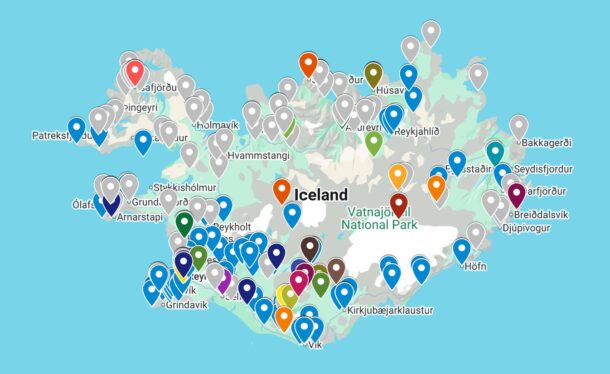
Camper Iceland Help Center
Your digital co-pilot for the Ring Road. Choose one of the three quick methods below to instantly solve your issue or track your vehicle specs.
Why Take 5 Minutes to Read This Hub Before Your Trip?
- Prevent Avoidable Repair Costs: Master vehicle heating systems, electricity hookups, and waste dumping to avoid common operational mistakes.
- Master Icelandic Weather & Driving Laws: Learn how to handle strong winds, river crossings, F-roads, and gravel tracks safely.
- Zero Arrival Stress: Watch short 2-minute video walkthroughs of your exact camper model so pickup day is smooth and effortless.
1. Chat with Live AI Bot
Our specialized custom assistant is deeply trained on our entire fleet setup, mechanics, and local road laws.
2. Search & Filter Videos
Filter through our real-life "This Is How We Do It" guide series instantly to watch real setups.
3. Read Step-by-Step FAQs
Jump straight past the videos directly into our multi-phase written text database and technical guides.
Why Travel With Camper Iceland?
Your Trusted Icelandic Family Partner Since 1987
Planning a campervan trip across Iceland is an exciting journey—and choosing the right operator makes all the difference.
Top 2% Company
Recognized by Creditinfo among the top 2% of strongest, most reliable businesses in Iceland. Your booking is 100% safe.
Family-Owned Since 1987
Over 35 years of local tourism expertise. We aren't an international broker—we are local Icelanders who live and work here.
Custom-Built Fleet
From nimble 2WDs to heavy-duty 4x4 Highland rigs and warm family motorhomes equipped with Webasto parking heaters.
Quick Selection Matrix: Choosing Your Fleet Category
- Ring Road & Paved Routes (Summer): Compact 2WD Campervans are cost-efficient and easy to park.
- Highlands & F-Roads (F208, F35, Askja): 4x4 Campers with ground clearance are legally mandatory.
- Family & Winter Comfort: Motorhomes with integrated heating, kitchens, and private showers offer ultimate convenience.
Your "Before Booking" Safety Checklist
Review these essential points before confirming your reservation to ensure a seamless, hassle-free arrival:
- Driver's License & Age: Standard Category B license held for at least 1 year. Drivers must be 20+ for campers, 23+ for large motorhomes.
- F-Road Compliance: Driving 2WD vehicles on Highland F-roads is illegal. Choose a certified 4x4 camper for interior tracks.
- Easy Fuel Payments: Gas stations across Iceland accept contactless card payments, mobile wallets (Apple Pay / Google Pay), and credit/debit cards.
- Insurance Protection: Standard CDW is included, but adding Gravel Protection (GP) is strongly recommended for gravel roads.
- Winter Equipment Standard: Traveling between November and April? All vehicles come automatically equipped with winter tires.
🎥 Live Route & Vehicle Video Tutorials
Type below to isolate specific video tutorials instantly, or browse the grid layout below.
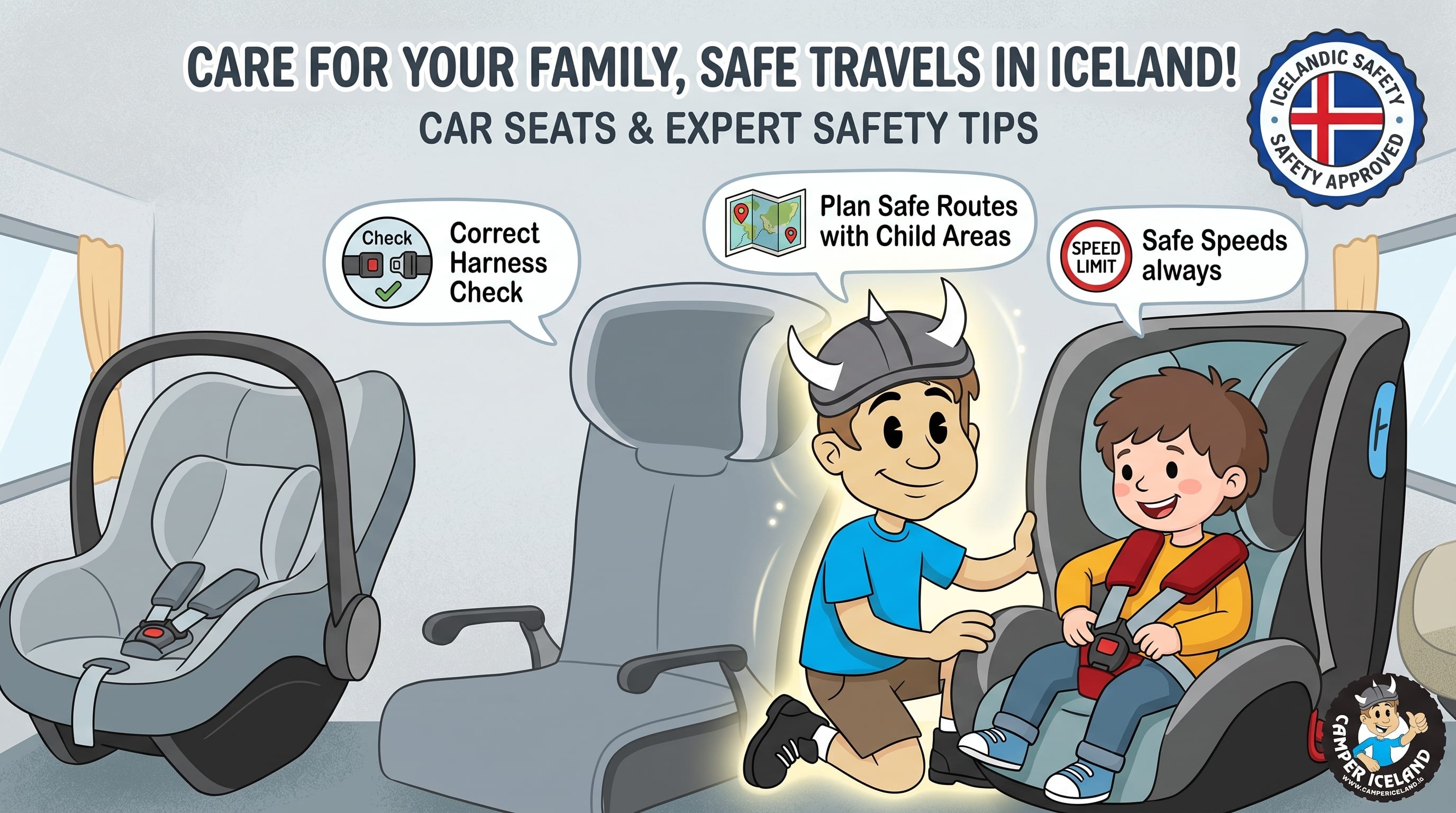
Iceland Campervan Family Child Safety: 7 Essential Rules
Discover Iceland campervan family child safety rules and tips! Traveling with kids in a motorhome is pure freedom—no hotel stress, just cozy family meals and easy adventures.
Preparing for Iceland Packing List: Camper Van Essentials Guide
Getting ready for an Icelandic camper van adventure? Follow our definitive preparing for iceland packing list covering weather-proof clothing layers, hot spring swimwear, 100W cigarette lighter USB chargers, 220V camper electricity hacks, and local store guides.
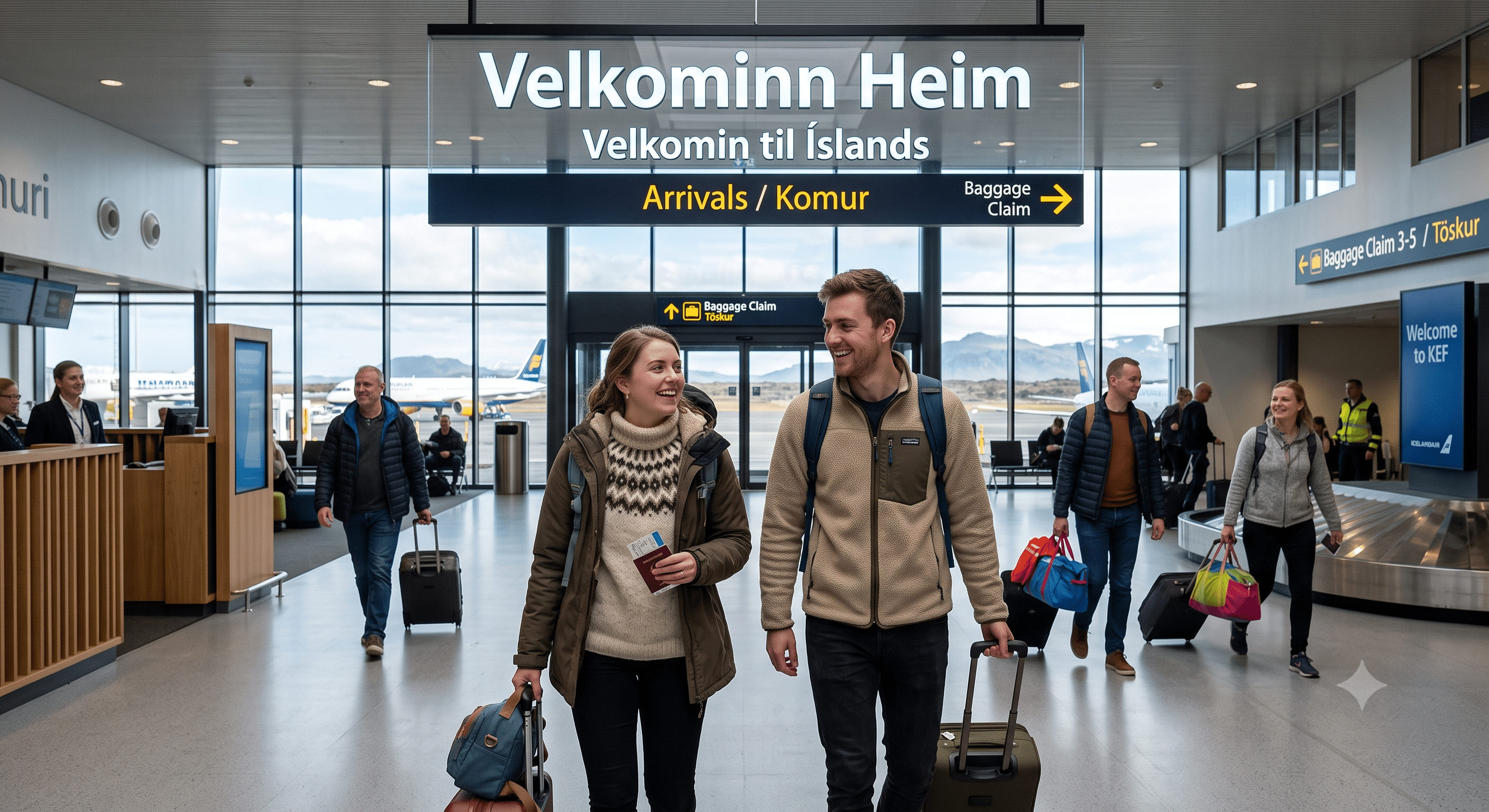
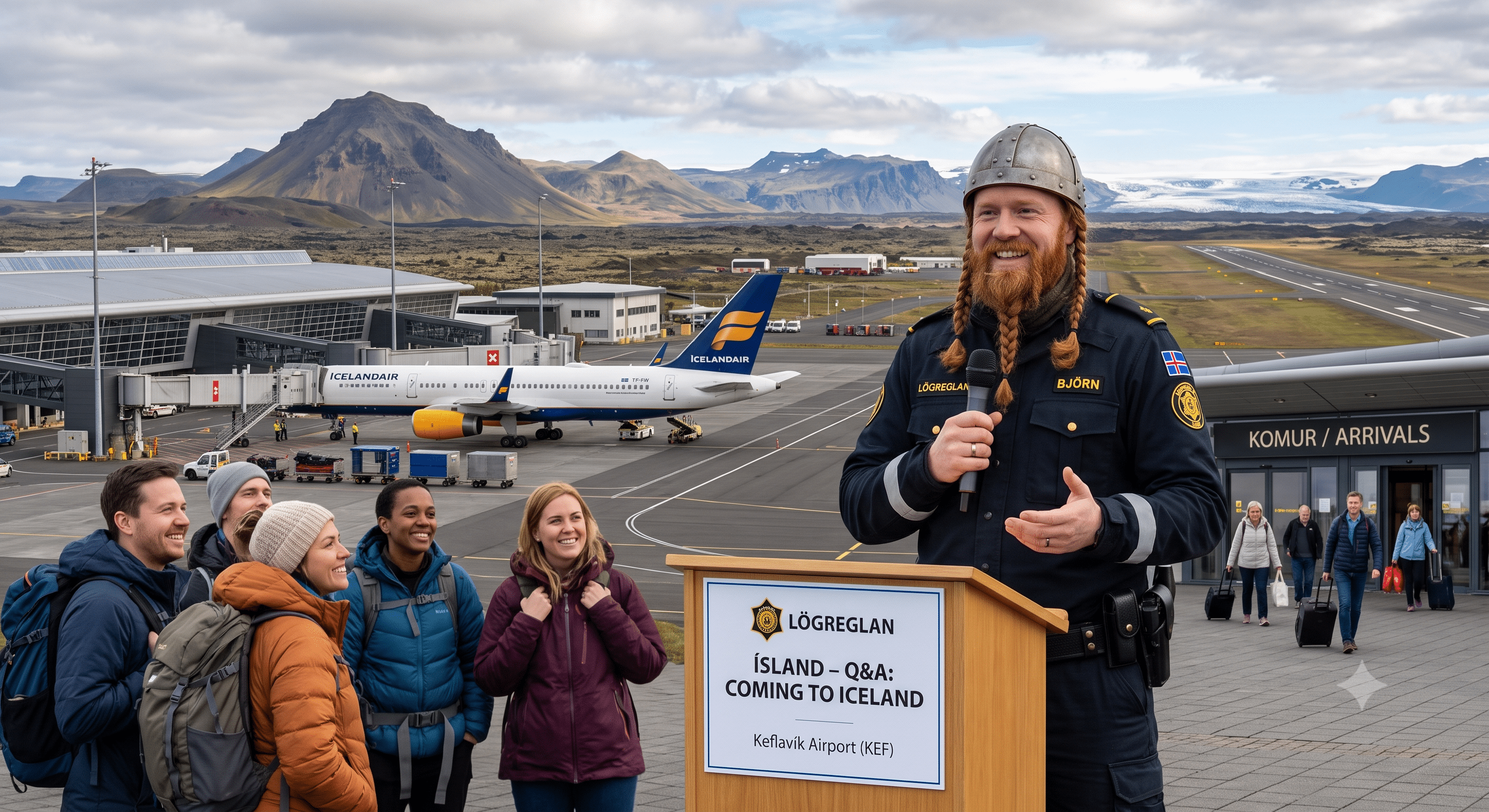
Keflavík International Airport: The Easiest Complete Guide
The Easiest Complete Guide to Keflavík International Airport. Learn our 7 arrival steps, duty-free rules, and how to find original Camper Iceland easily.
Iceland Visa Requirements: Do You Need a Visa & The New ETIAS Rules
Master the official Iceland visa requirements ETIAS updates before you fly. Check our complete country checklists, age policies, and driver’s license rules.
Iceland Camper Storm Warning: Emergency & Road Safety Manual
Don’t let unpredictable Icelandic gales or an unexpected crisis derail your road trip. This ultimate, fully updated master guide covers everything a motorhome traveler needs to know about handling an active Iceland camper storm warning—from reading live wind thresholds and avoiding illegal camping traps to navigating emergency dental visits, late-night pharmacies, and hospital intake procedures.
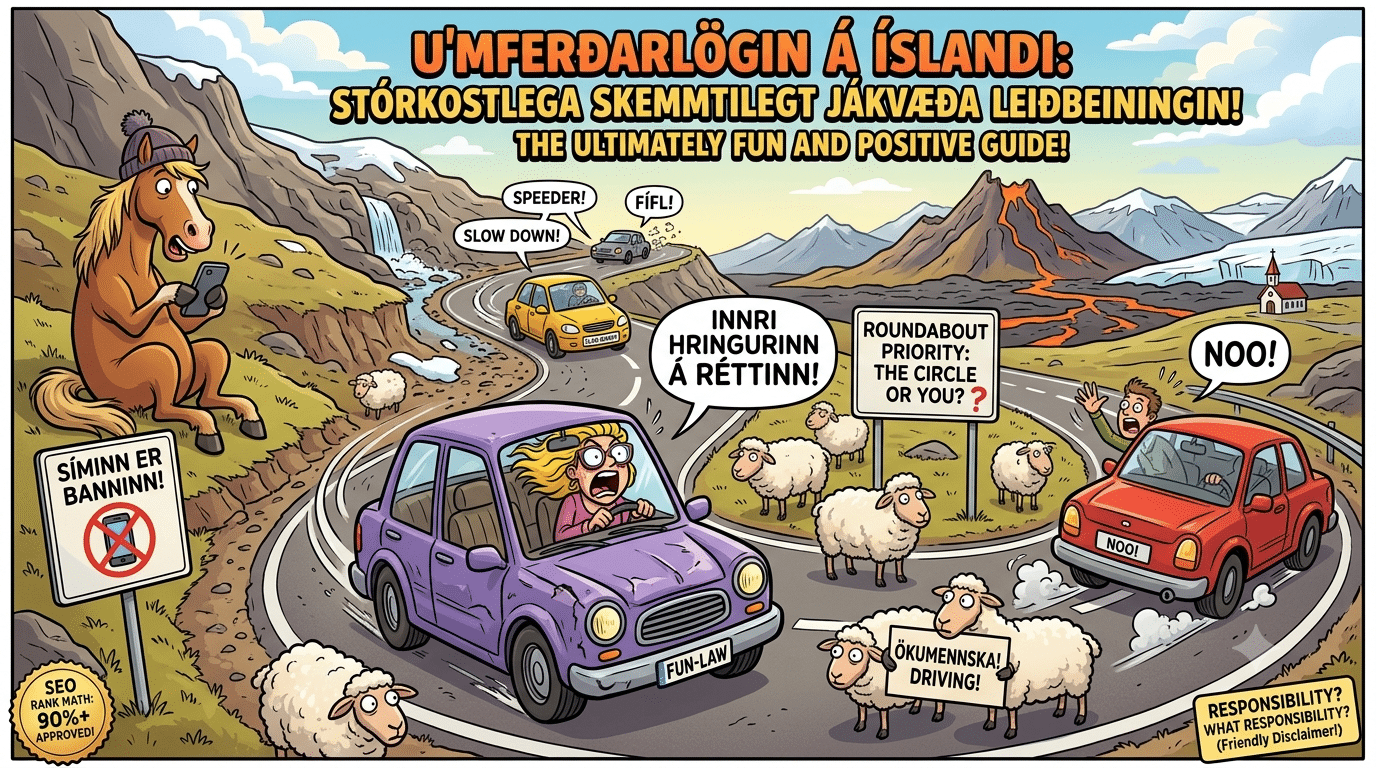
Icelandic traffic law in English
Looking for the official Icelandic traffic law in English? We’ve taken the actual text of Umferðarlög 77/2019 and translated it with zero boring legal jargon!
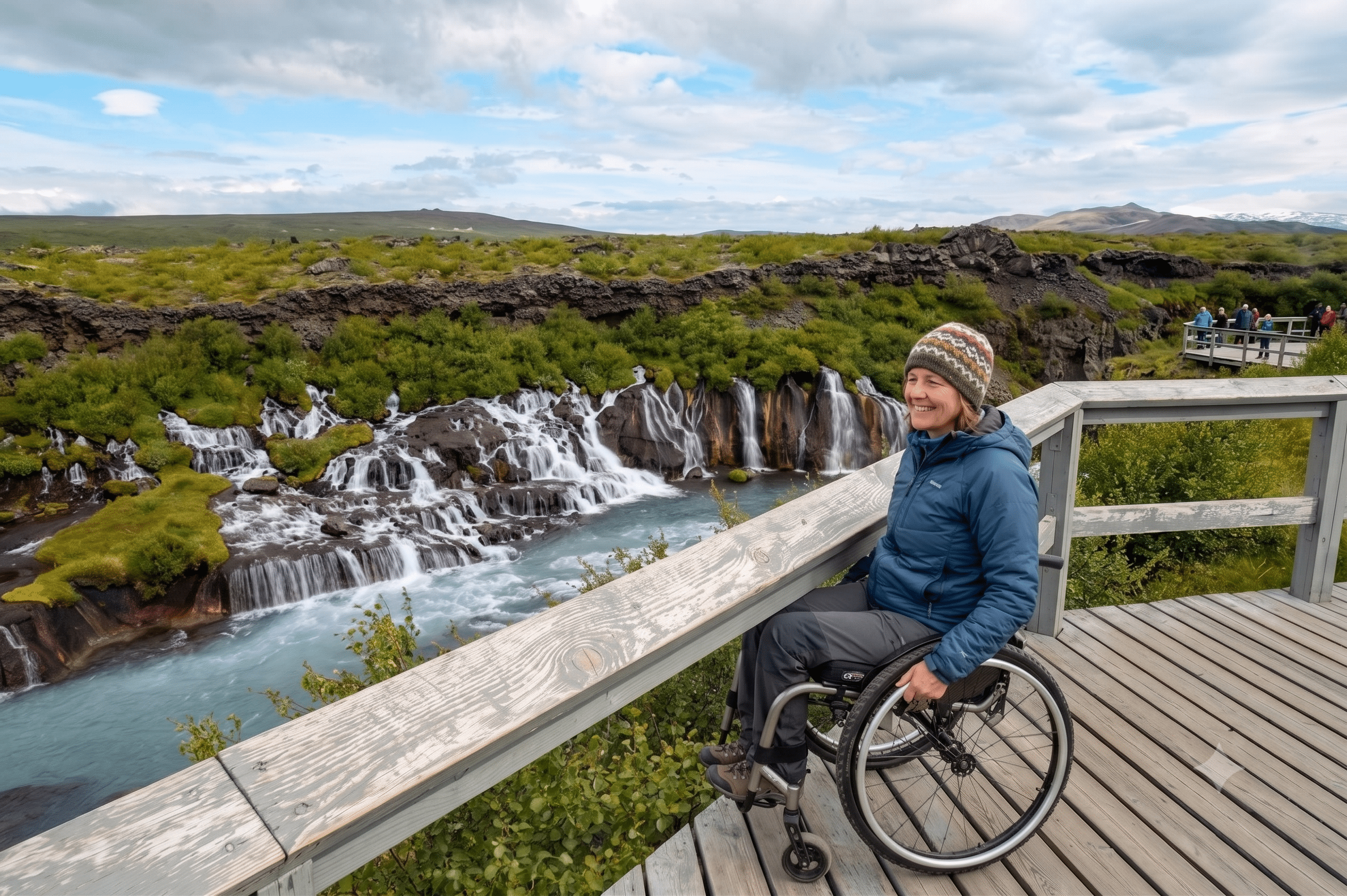
Accessible Travel Iceland Limited Mobility: The Complete Master Map Guide
Is Iceland wheelchair friendly? Explore our master accessible travel iceland limited mobility resource featuring a live 105-site map of hot springs, pools, and sights.
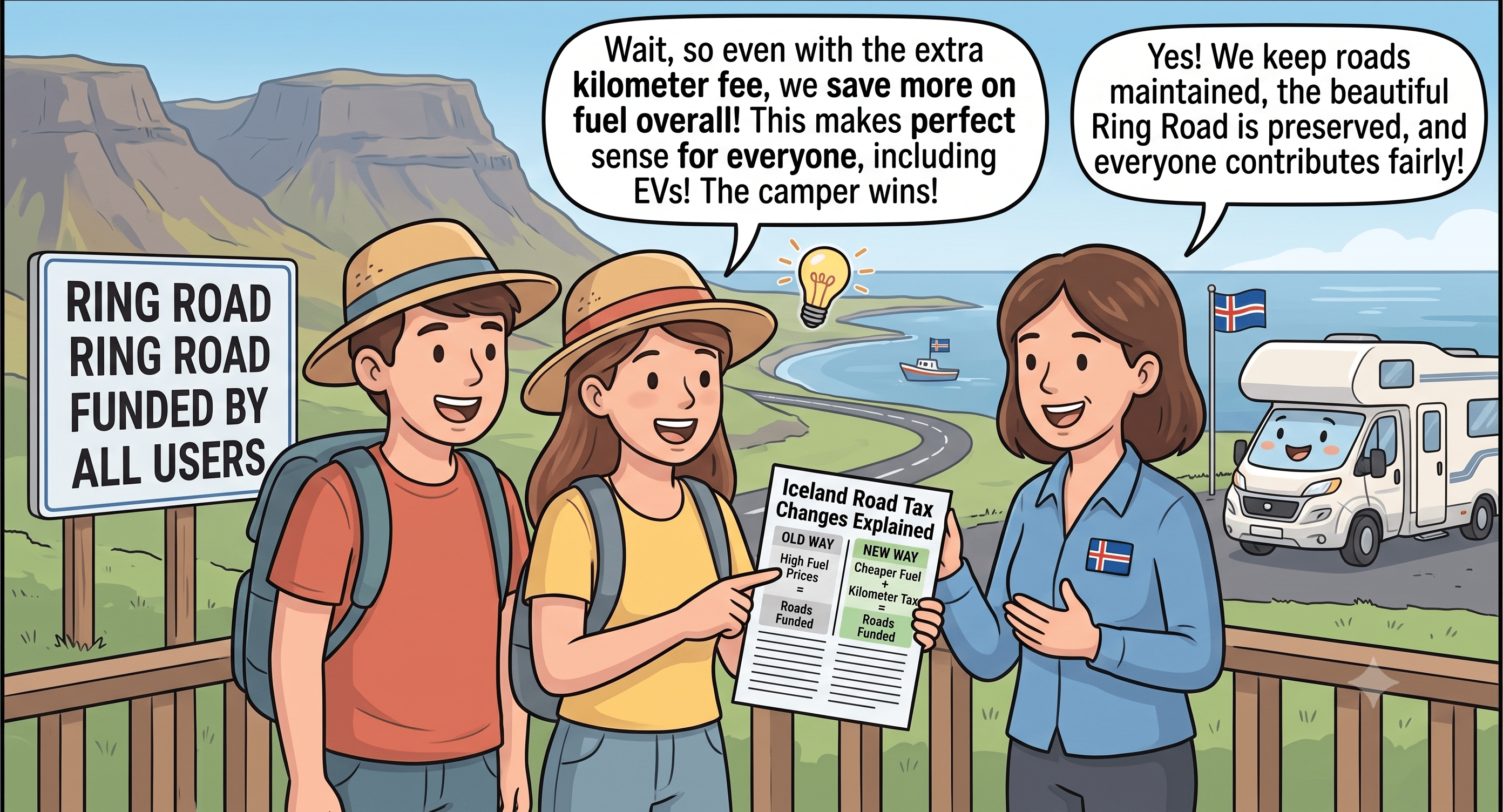
The Iceland Kilometer Fee: Why Your Rental Car Actually Costs Less
Reviewing the Kilometer Tax: Read This First If you are confused about seeing a government "Kilometer Tax" noted alongside an "Unlimited Mileage" or standard "200km per day" package, you are not alone. But here is the good news: This new state system actually lowers...
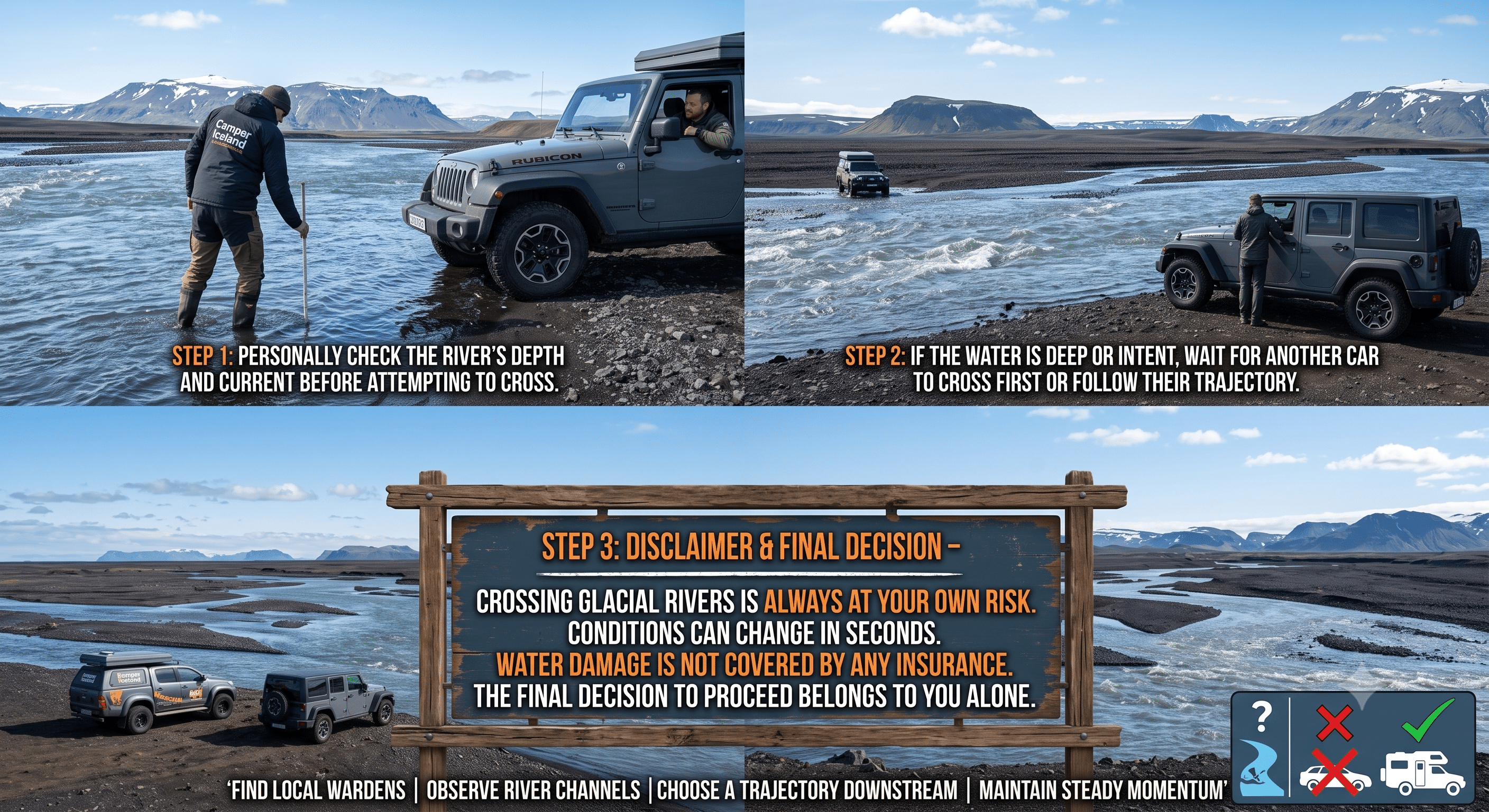
Sprengisandur F26 Part 2: River Crossings & Hidden Dangers
In Part 2 of our Sprengisandur F26 highland series, we tackle the volatile reality of unbridged glacial rivers, hidden boulder blind spots, and how recent trail grading impacts your safety parameters before reaching the iconic northern waterfalls.
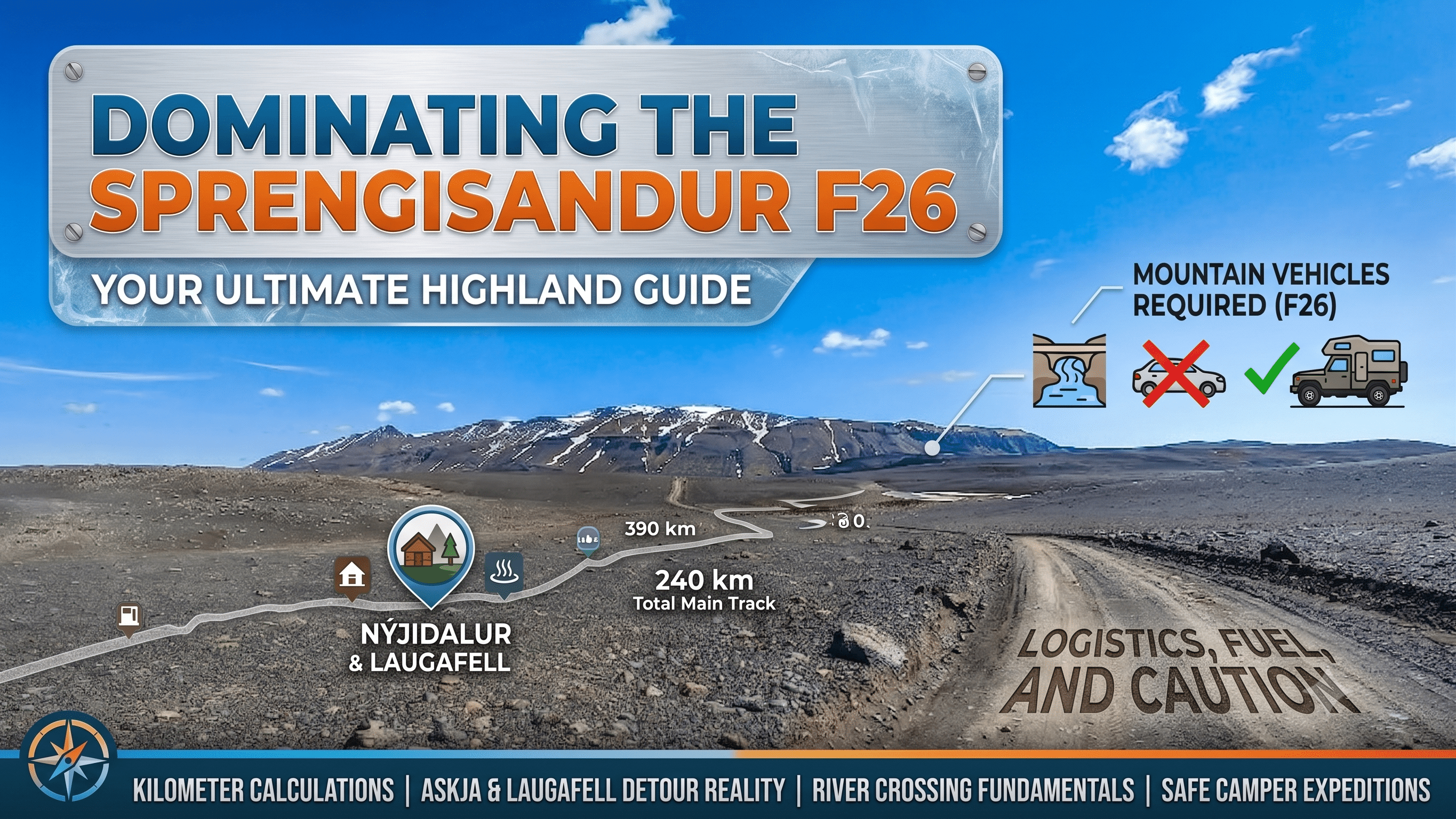
Driving Sprengisandur F26: Ultimate Iceland Highland Guide
Planning to drive the Sprengisandur F26 route? Read our expert highland safety guide on fuel stops, unbridged river crossings, road maps, and essential tips.

Cheapest Grocery Shopping in Iceland: Ultimate Camper Guide & Top 30 Restaurants
Planning an Icelandic road trip but worried about your food budget? Alain from Quebec asked us where to find the absolute cheapest grocery shopping in Iceland. Here is our ultimate camper strategy guide, featuring money-saving checklists, discount store maps, and a curated list of Iceland’s top 30 restaurants along the Ring Road.
The Real Benefits of Renting a Motorhome: Home on Wheels
Discover the ultimate benefits of renting a motorhome in Iceland. Follow Daniel’s live trip, escape the rain, find sun, and experience true road trip freedom.
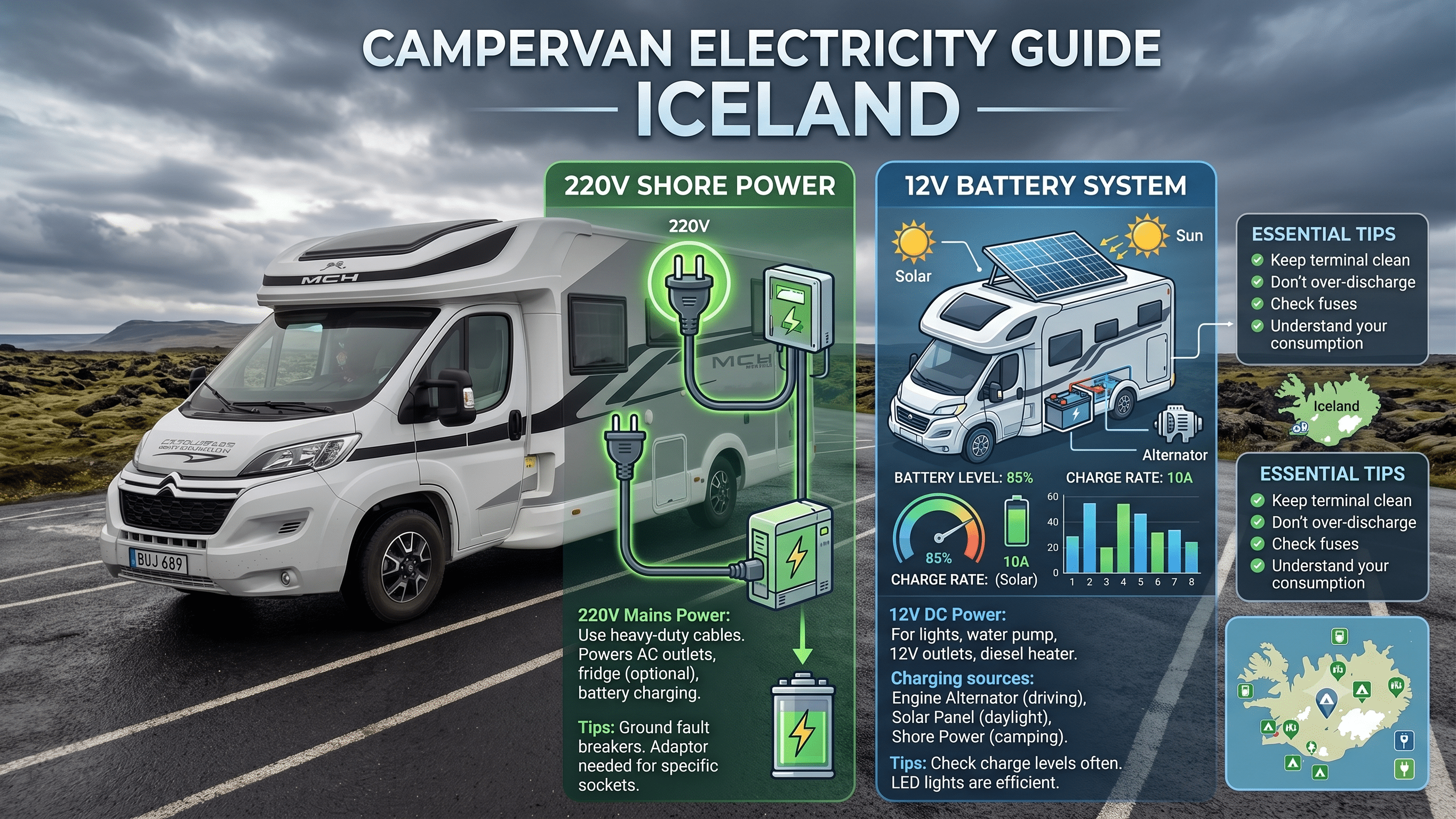
Campervan Electricity Guide Iceland: 220V Power & 12V Battery Tips
Avoid dead batteries on your road trip. Master our campervan electricity guide Iceland to safely navigate 220V shore power, breaker panels, and 12V voltage limits.
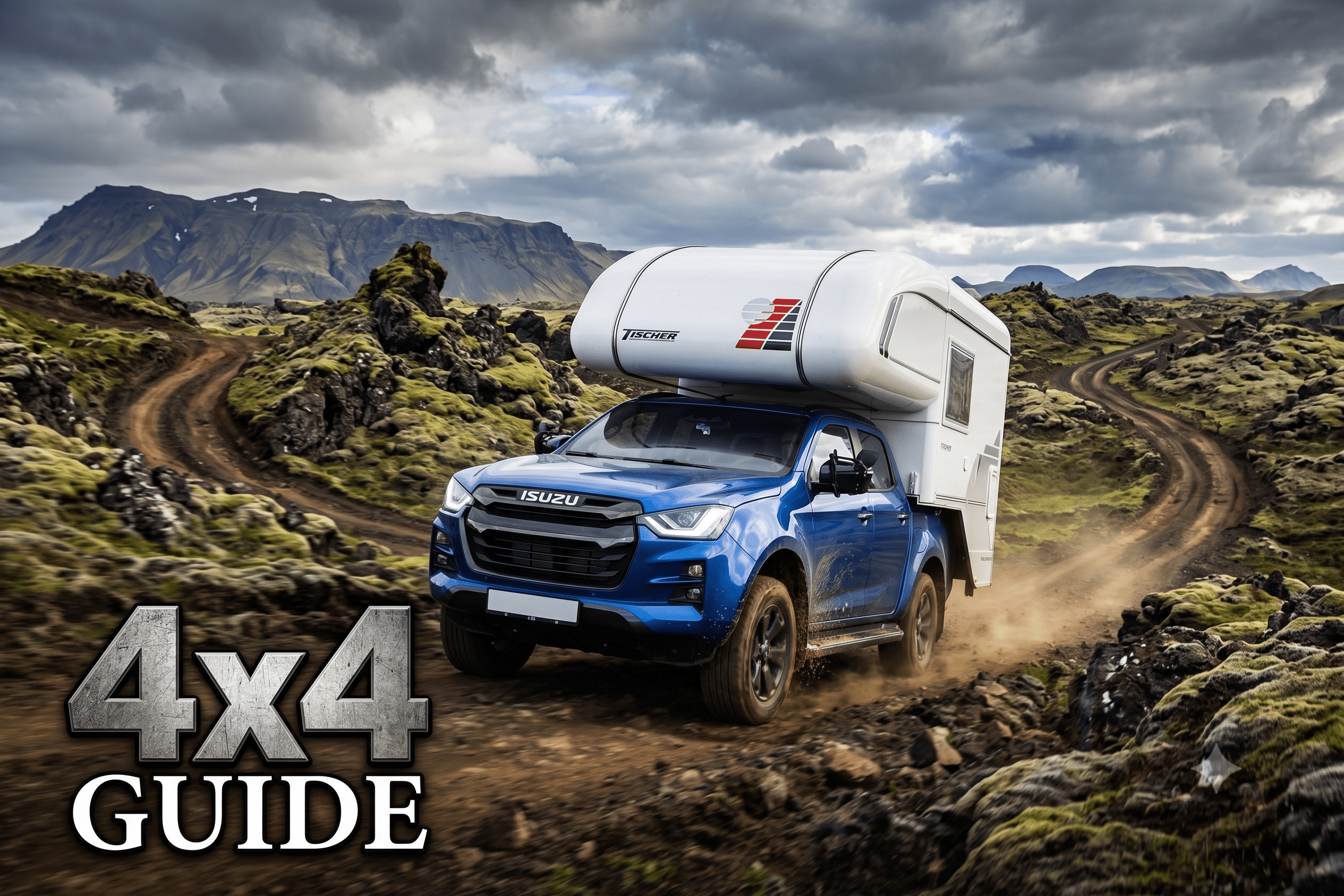
4×4 Driving Guidelines in Iceland: F-Roads & River Crossings
Master the wild interior safely. Discover vital 4×4 driving guidelines in Iceland, handle manual gear ratios, manage vehicle chain loops, and cross highland rivers.
Safety Guidelines for Driving in Iceland: Wind, F-Roads & Tolls
Stay safe on your expedition. Master vital safety guidelines for driving in Iceland, including wind survival tricks, Parka app rules, and tunnel toll tracking.
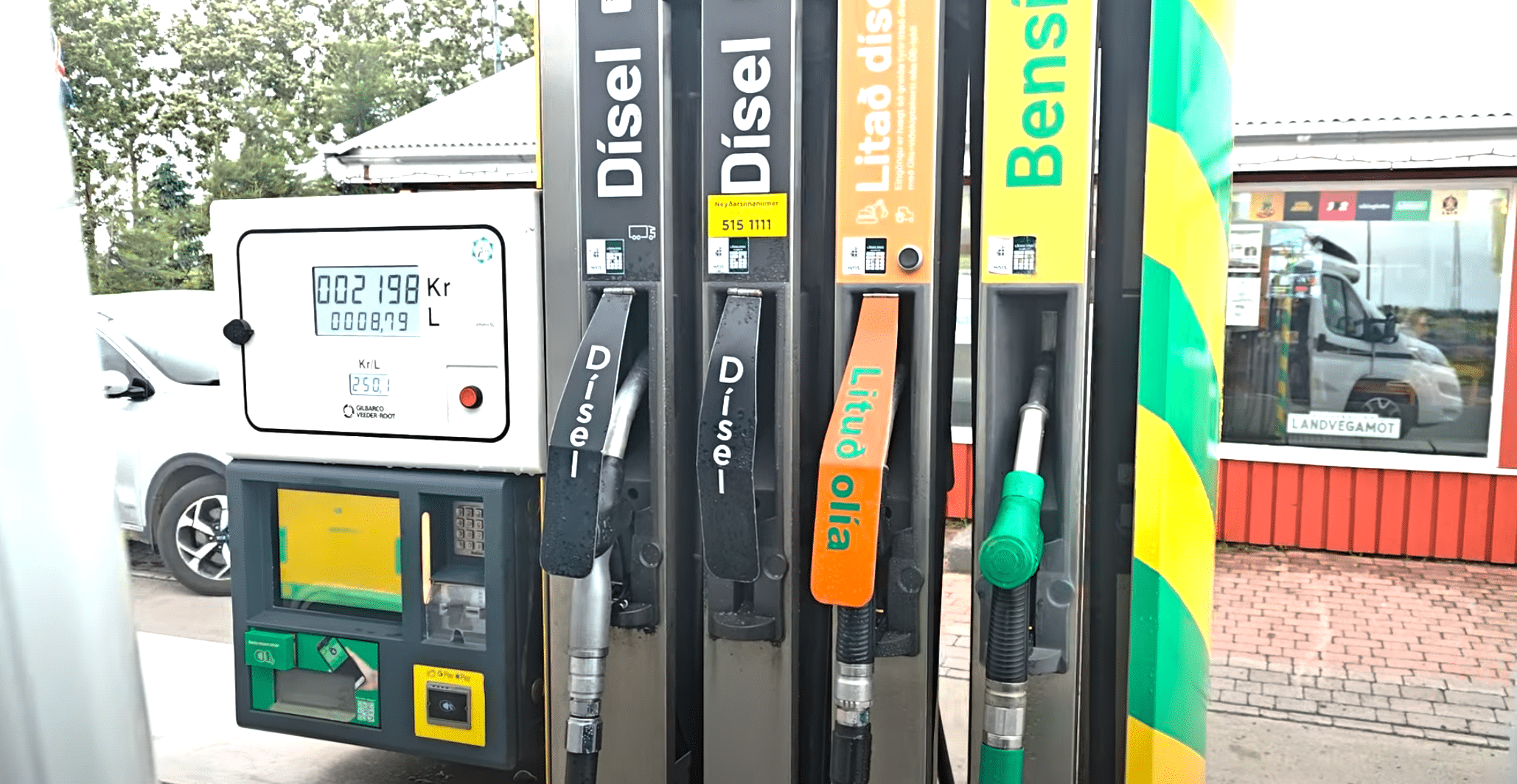
Driving a Campervan in Iceland: Fuel Pumps, Keys & Gear Manual
Avoid costly errors while driving a campervan in Iceland. Master color-coded fuel pumps, 4 and 6 digit card PIN setups, flip keys, and reverse gear locks.
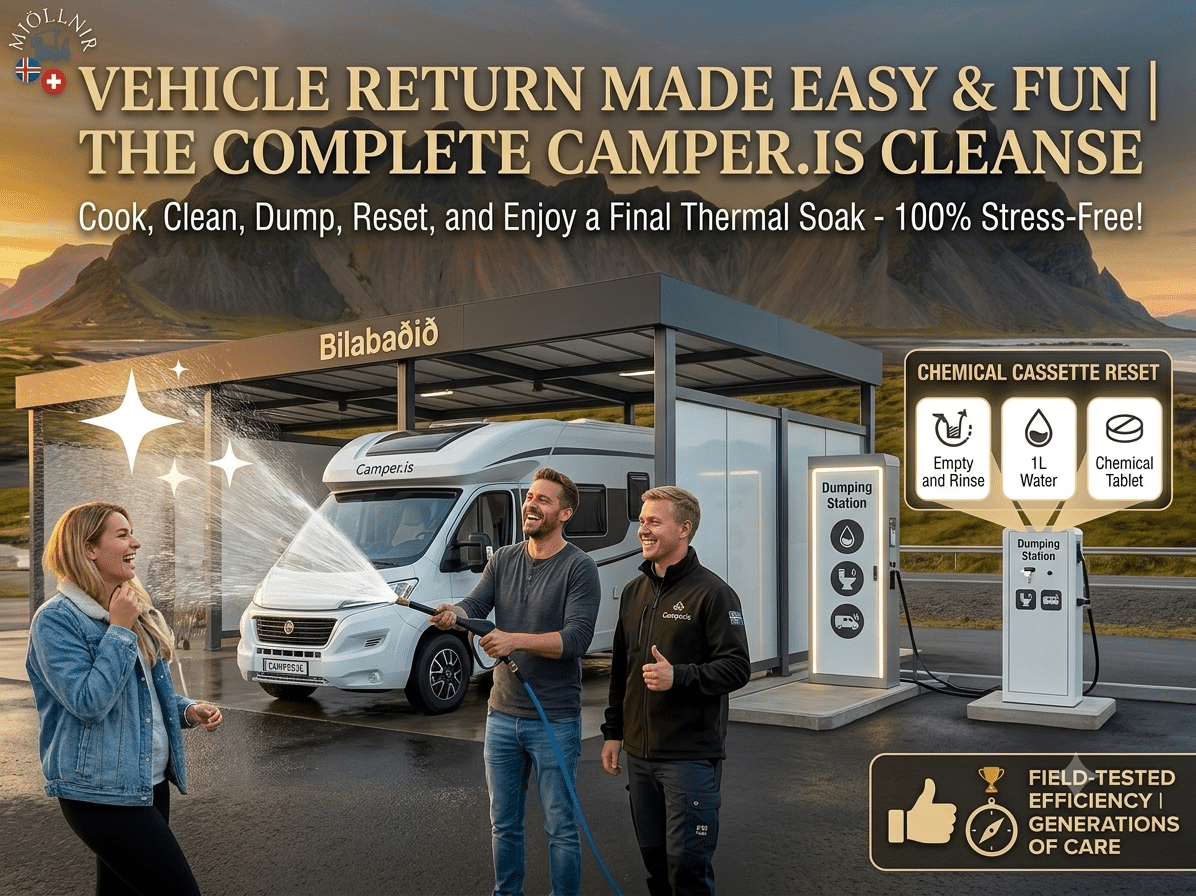
How to Clear a Campervan Tank in Iceland: Perfect Return Guide
Master your return vehicle end cleaning. Learn how to clear a campervan tank in Iceland, empty the chemical toilet, use official disposal bays, save packing time, and enjoy thermal pools!
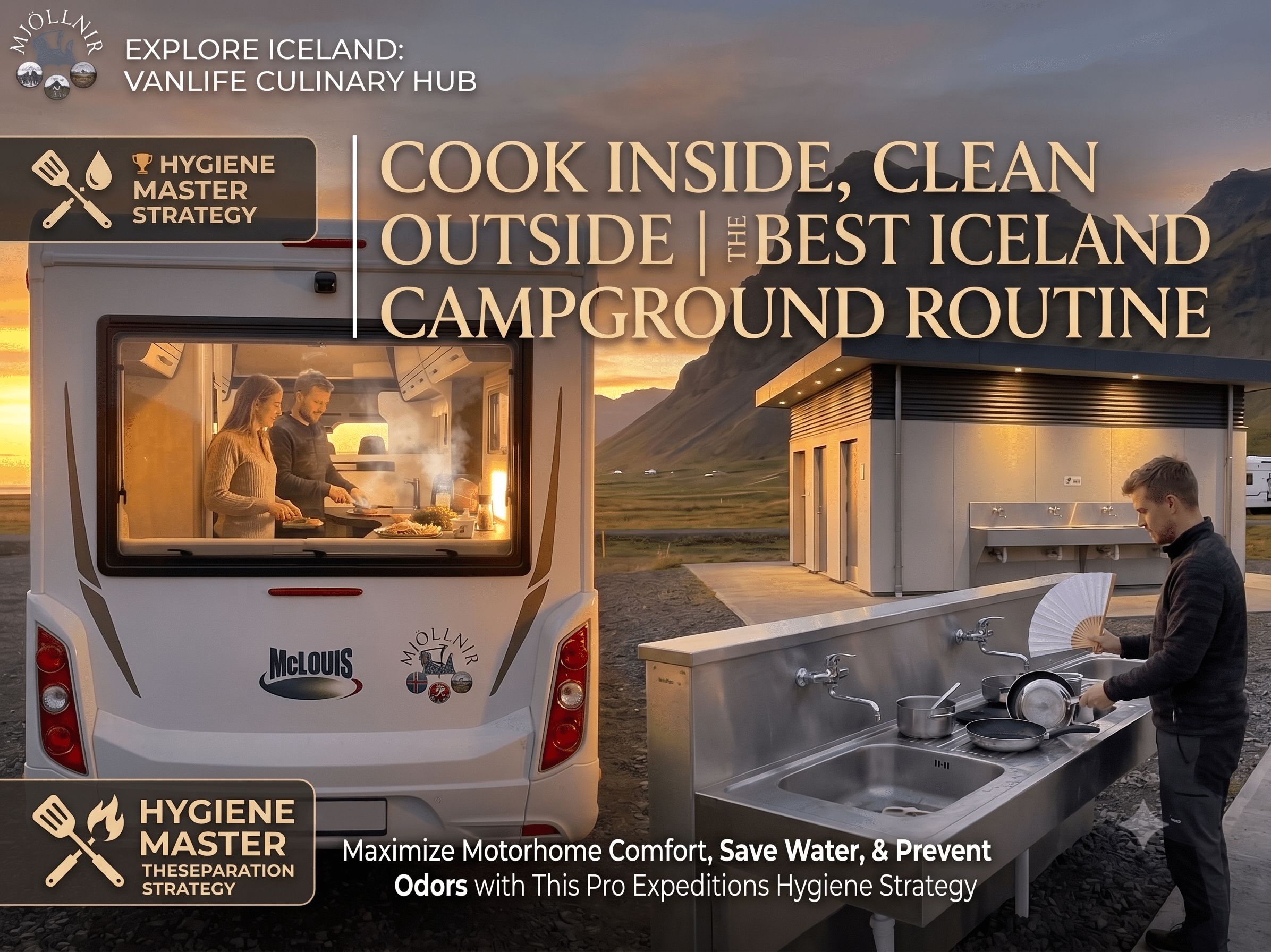
Cook Inside, Clean Outside! The Best Campervan Hygiene Routine for Iceland Campgrounds
Maximize Iceland vanlife comfort! Learn why cooking in your campervan and using campground facilities for cleanup saves water, prevents odors, and keeps your rig fresh.

Campervan Kitchen Recipes for Your Iceland Road Trip Adventure
Whip up a gourmet Iceland road trip dinner! Discover local grocery store hours, 24h options, meal planning tricks, and family dietary flexibility tips.
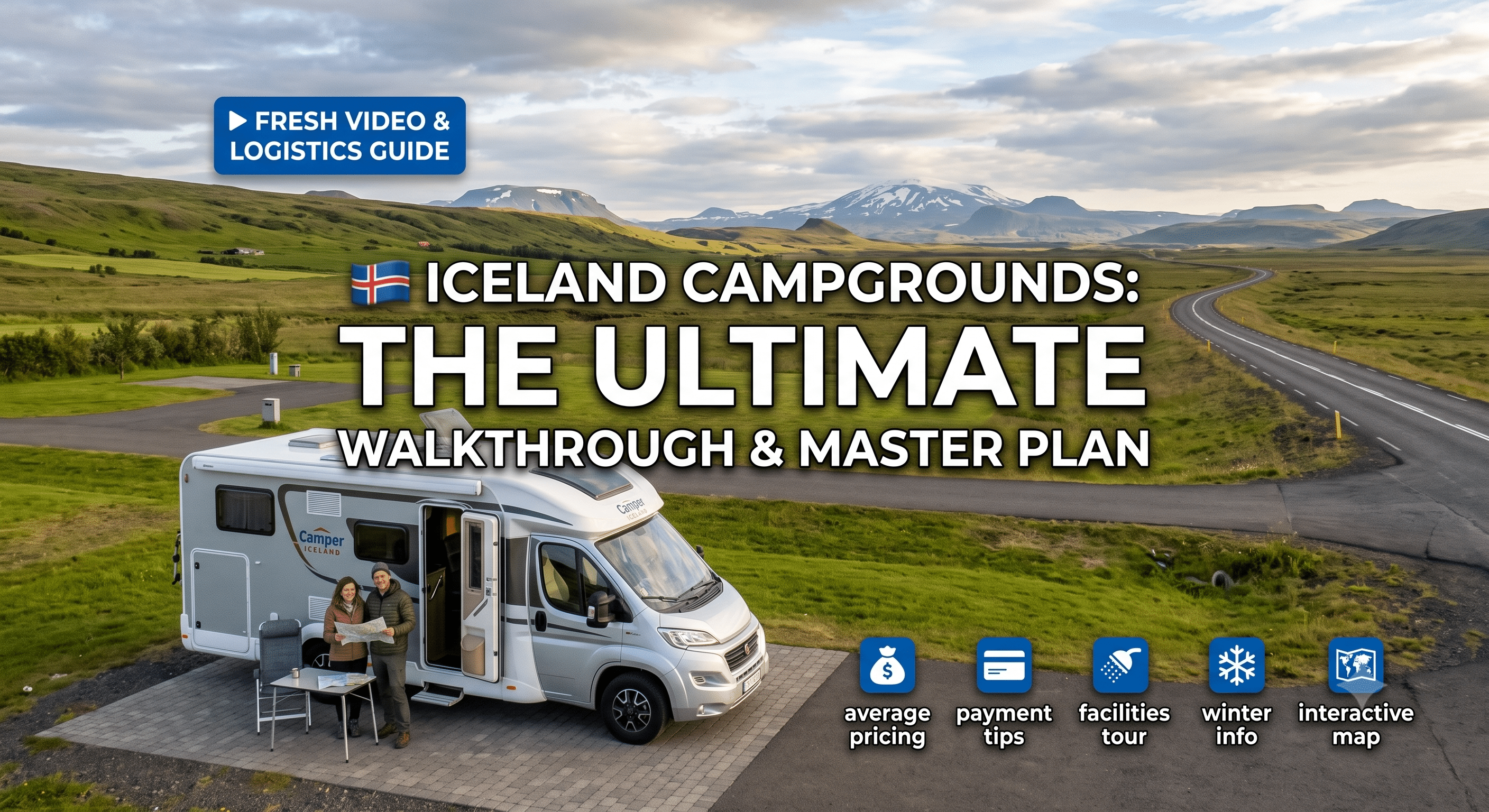
Iceland Campgrounds Guide: How to Park, Pay & Find Sites
Planning a road trip? Learn how Iceland campgrounds work. Explore average pricing, winter openings, facility rules, and see a full walkthrough video guide!
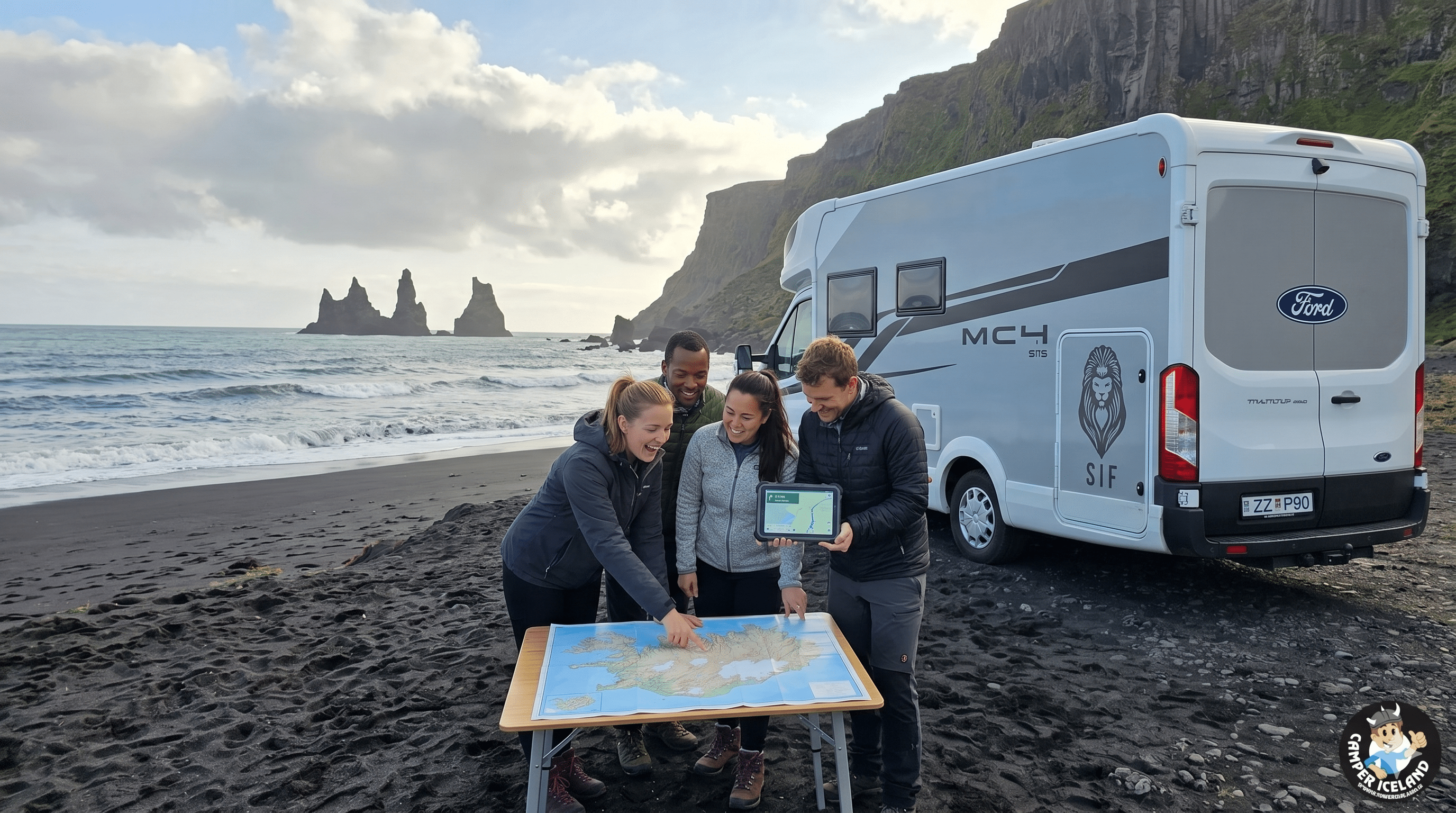
Iceland Road Trip Itinerary: Best Routes & Expert Trip Planner
Plan your ultimate adventure with our interactive Iceland road trip itinerary planner. Filter expert-tested routes by days or road conditions, view maps, and find the ideal camper layout for your journey.
Can I Bring My Pet to Iceland? 3 Strict Rules You Must Know
Planning to bring a pet to Iceland, or traveling with outdoor gear? Discover the strict MAST biosecurity laws for dogs, horse saddles, and fishing equipment.
Camper Iceland Help Center
Your digital co-pilot for the Ring Road. Search our master fleet manuals, technical troubleshooting guides, and live Icelandic road rules instantly.
🤖 Looking for something specific? Our built-in AI support bot is highly trained on our entire fleet setup. If you can't find your answer here, simply open the "Chat with us" bubble at the bottom of your screen and type your question!
Yes, if you are traveling from late 2026 onwards. Travelers from 59 visa-exempt countries (including the US, UK, Canada, Australia, and New Zealand) must have a valid ETIAS pre-authorization before entering Iceland.
- It is not a visa: It is a quick electronic pre-travel security pass tied to your passport.
- Cost: €20 standard fee (travelers under 18 or over 70 are exempt).
- Validity: Valid for up to 3 years or until passport expiration.
- Timing: Most applications approve in minutes, but apply before booking flights.
👉 Learn more on the Official European Union ETIAS Portal ↗.
Icelandic law strictly requires certified child safety equipment based on size and weight.
- Height Rule: Children shorter than 135 cm must use a certified child safety seat, booster seat, or cushion suitable for their size.
- Front Passenger Seats: Children under 150 cm must NOT sit in a front seat with an active airbag unless deactivated.
- Seatbelts: Every passenger in the vehicle must wear a seatbelt at all times by law.
- Rear-Facing Seats: Infants and young children should remain in rear-facing seats as long as possible.
👉 Official regulations: Island.is Children in Cars Guide ↗.
Only 4x4 (4WD) campervans specifically rated for mountain roads are permitted on F-roads.
- 2WD Prohibitions: 2WD campers are illegal on all F-roads (such as F208, F26, F35/Kjölur) and paved interior mountain tracks. Driving 2WD on an F-road voids all insurance and incurs severe fines.
- River Crossings: Basic and premium insurance packages (including CDW, GP, and SCDW) almost NEVER cover water damage from crossing rivers or streams. Cross only at marked points with extreme caution.
- Seasonal Openings: F-roads are closed through winter/spring and open between late May and early July depending on snow conditions.
No. Wild camping in any campervan, motorhome, or tent trailer is illegal in Iceland.
- Designated Campsites Only: By law, all motor vehicles used for sleeping must park overnight at registered campsites.
- Rest Stops & Laybys: Sleeping in road pull-outs, gas stations, scenic viewpoints, or private land without explicit landowner permission is prohibited and strictly enforced.
- Winter Access: Dozens of campsites along the Ring Road remain open 365 days a year with heated facilities and shore power.
Speed limits are strictly enforced across Iceland via fixed speed cameras and un-marked police vehicles.
- Urban / Populated Areas: 50 km/h (31 mph) unless otherwise posted.
- Gravel Roads: 80 km/h (50 mph) maximum. Reduce speed immediately when transitioning from asphalt to gravel.
- Paved Rural Highways (Ring Road): 90 km/h (56 mph) maximum.
- Fines: Speeding fines are extremely high in Iceland (ranging from €200 to over €1,500). Rental agencies automatically forward speed camera tickets to your credit card with added handling fees.
Single-lane bridges and single-lane tunnels require special right-of-way awareness:
- Single-Lane Bridges: The vehicle closest to the bridge has the right-of-way. Slow down to 30-50 km/h upon approach. If another vehicle is on or visibly closer to the bridge, yield and wait on your side.
- Single-Lane Tunnels (e.g., Vestfirðir): Look for priority signs. If the oncoming traffic has priority, use the designated turnout bays (marked with a capital **M**) on your right to let traffic pass.
- Vaðlaheiðargöng Tunnel Toll (Akureyri): There are no physical toll booths. You must pay online at tunnel.is within 24 hours before or after driving through to avoid a steep rental penalty.
Wind gusts in Iceland frequently exceed 20–30 m/s (45–67 mph) and can easily flip campervan doors or catch high-profile vehicles.
- Two-Hand Door Rule: Always hold vehicle doors with two hands when opening or exiting. Wind can blow doors backward, snapping door hinges and creasing car frames.
- Door Damage Excluded: Wind-blown door damage is never covered by standard CDW insurance policies and results in full out-of-pocket repair costs.
- Parking Direction: Always park facing into the wind so gusts push the doors shut rather than blowing them open.
Most campervans are equipped with an independent Webasto or Eberspächer parking heater system.
- Fuel Source: The heater siphons tiny amounts of fuel directly from the main diesel/petrol vehicle tank.
- Power Source: The fan is powered by an internal auxiliary (leisure) battery, separate from the engine battery.
- Safety Cutoff: Heaters auto-shut off if your vehicle fuel drops below 1/4 tank so you never get stranded with an empty tank.
Understanding your campervan's 12V vs 220V electrical system is key to keeping power available:
- 12V USB Ports: Run off the auxiliary battery and stay active while parked to charge phones, tablets, and small gear.
- 220V Standard Wall Outlets: ONLY work when your campervan is plugged into a 220V power post at a campsite using your campsite extension cord.
- Battery Charging: The auxiliary battery recharges while you drive (typically requiring 2-3 hours of daily driving). If stationary in winter, connect to campsite shore power.
Campervans feature either built-in LPG refillable tanks or portable gas canisters for cooking stoves.
- Portable Stoves: Usually use 220g screw-on or bayonet gas cartridges (Primus, Campingaz). These can be purchased at any N1, Olís, or Orkan gas station across Iceland.
- Built-In Gas Cabinets: Larger motorhomes use 5kg or 11kg gas bottles. Empty bottles can be swapped for full ones at major gas stations.
- Ventilation Safety: Never use portable gas stoves inside an unventilated vehicle cabin while sleeping or cooking without opening a window or roof hatch.
Emptying wastewater properly is required under national sanitation regulations.
- Porta-Potti / Cassette Toilets: Use approved chemical tabs or liquid in the holding tank to break down waste and control odor.
- Disposal Locations: Empty waste cassette holding tanks ONLY at designated chemical toilet disposal stations (found at major campsites, gas stations, and municipal dumping points).
- Grey Water (Sink): Drain sink wastewater into designated campsite drains. Never empty grey water into nature, streams, or street storm drains.
Yes. Gravel Protection is the single most important optional insurance in Iceland.
- What It Covers: Chips, cracks, and pitting to the front windshield, headlights, fog lights, and exterior paint body caused by loose gravel kicked up by passing vehicles.
- Why It Matters: Even on the paved Ring Road (Route 1), loose stones and gravel road transitions are common. Replacing a modern heated sensor windshield without GP often costs €800–€1,500.
Sand and Ash Protection covers damage caused by wind-driven volcanic ash and sand storms strip-painting vehicles.
- High-Risk Areas: Southern Coast (Vík to Höfn) and South-East black sand plains during dry, windy conditions (especially in spring and autumn).
- Excluded by CDW: Standard Collision Damage Waiver explicitly excludes sandstorm damage. Sandblasting can strip paint to bare metal and cloud glass, causing damage exceeding €5,000.
No. Off-road driving (útaf vegi) is strictly illegal across all of Iceland under all circumstances.
- Tire Track Damage: Driving off marked tracks destroys delicate volcanic moss and tundra soil, which can take up to 100 years to recover.
- Penalties: Off-road driving carries severe legal fines starting at ISK 500,000 (approx. €3,500+) and potential court appearances.
- Definition: Driving on beaches, dirt tracks not marked on official maps, moss fields, or riverbanks is considered illegal off-roading.
Winter conditions run long in Iceland, requiring specialized winter tires:
- Winter Tire Mandate: Winter tires are mandatory by law from November 1st through April 15th.
- Studded Tires: Studded tires are legal during the winter season and are standard on most reputable campervan rentals to provide grip on black ice.
- Real-Time Weather Checks: Always monitor wind and blizzard conditions on SafeTravel.is and weather alerts on Vedur.is.
Most gas stations in rural Iceland are unstaffed, self-service automated pumps.
- 4-Digit Chip & PIN Required: Automated pumps strictly require a physical credit or debit card with a 4-digit PIN. Cards without PINs (or tap-to-pay phones) often fail at rural self-service pumps.
- Pre-Auth Holds: Selecting "Fill Tank" puts an automatic hold on your card (often up to 25,000 ISK / €170). Select a fixed numeric amount (e.g., 5,000 ISK) to avoid large temporary holds.
- Discount Chips: Your campervan key ring usually includes a magnetic chip for major chains (N1, Olís, Orkan) offering per-liter fuel discounts and free coffee.
The Iceland Camping Card provides discounted stays across a network of participating campsites.
- Coverage: Valid for up to 2 adults and up to 4 children for 28 nights total at participating campsites.
- Exclusions: Does NOT cover non-member campsites, local municipal overnight taxes (approx 333 ISK/night), or electricity hookup fees.
- Seasonality: Most Camping Card sites are open only from May 15 to September 15. It is generally not useful for late-autumn or winter trips.
Free-roaming livestock is a major driving hazard in Iceland from late spring through autumn.
- Sheep Behavior: Sheep often graze in pairs or trios along road shoulders. If one sheep crosses the road, the others will sprint across after it directly in front of your vehicle.
- Reindeer: Common along East Fjords and South East roads during autumn and winter months. Slow down immediately when warning signs appear.
- Legal Liability: Drivers are legally liable for farm livestock hit on open roads. Slow down and tap your horn if sheep are near the pavement edge.
Yes. Tap water in Iceland is among the cleanest, purest drinking water in the world.
- No Plastic Needed: Never buy plastic bottled water in stores. Fill your camper fresh water tank or reusable bottles directly from any cold water tap or campsite hose.
- Cold vs. Hot Water: Cold tap water is pure spring water. Hot tap water is geothermally heated and contains natural sulfur smell—do not use hot tap water for drinking or cooking.
Campervan refrigerators run on 12V power tied to your auxiliary leisure battery.
- Compressor Fridges: Maintain cold temperatures efficiently overnight without draining your main engine battery.
- Power Management: Keep fridge temperature settings moderate (3°C - 5°C). Avoid packing warm items into the fridge right before turning off the engine for the night.
Follow these standard safety emergency protocols in Iceland:
- Emergency Number: Dial 112 for police, ambulance, fire, and emergency search and rescue. Download the 112 Iceland app to share GPS coordinates instantly.
- Vehicle Breakdown: Call your rental supplier’s emergency roadside number immediately. Do not attempt private towing without operator authorization.
- Accident Reports: Always complete the standard European Accident Statement form (found in your vehicle glovebox) and take detailed photos before moving vehicles.
Yes. Icelandic law requires headlights to be illuminated 24 hours a day, 365 days a year.
- Daytime Requirement: You must drive with dipped headlights (low beams) on at all times—including bright midsummer days.
- Auto Headlights: Automatic light settings on modern vehicles often do not turn on rear tail lights during daylight. Manually switch low beams ON to ensure tail lights are lit.
Smooth vehicle pickup and return relies on clear documentation:
- Keflavík Shuttle: Most camper rental offices are located in Keflavík (5–10 minutes from KEF airport terminal) with shuttle transfers provided.
- Walk-Around Inspection: Mark all existing scratches, windshield chips, and dent points on your rental agreement during pickup. Take a full 360° video walk-around of the vehicle exterior with your phone.
- Fuel & Cleanliness Return: Return the vehicle with a full tank of fuel (or matching pickup level) and clean interior waste to avoid cleaning penalties.
Packing for Iceland requires flexible layering regardless of the season:
- Clothing Layers: Thermal base layers (merino wool), fleece mid-layer, and 100% waterproof/windproof outer shell jacket and pants.
- Soft Luggage: Pack in soft duffel bags rather than hard shell suitcases. Hard suitcases take up valuable space inside the campervan cabin.
- Camper Extras: Slip-on shoes (for campsite bathroom runs), quick-dry microfiber towels, sleep eye mask (for midnight sun in summer), and a headlamp (for winter nights).
Bedding setups vary between standard packages and add-on kits:
- Included Equipment: Most rentals come equipped with mattresses, bottom fitted sheets, and pillows.
- Duvets vs. Sleeping Bags: Thermal duvets or sub-zero sleeping bags can be added to your rental. If camping during autumn, winter, or early spring, order thermal sleeping bags rated to 0°C / 32°F or below.