
Iceland Campervan Itineraries
Best Routes & Trip Planner
Best Routes & Trip Planner
Iceland Campervan Itineraries
Looking for the best Iceland campervan itineraries? Unlock the ultimate freedom of the open road. From quick weekend stopovers and iconic Ring Road loops to rugged 4x4 highland tracks and winter wilderness expeditions, we’ve mapped out your perfect journey. Select your trip profile below to find an expert-tested itinerary, browse our master Iceland campervan itineraries, and match them with the ideal camper for your adventure.
Iceland Campervan Itineraries: Best Routes & Trip Planner
Welcome to the ultimate Icelandic expedition planner. Every route displayed below has been carefully selected and field-tested through decades of real road experience to give you honest distances, breathtaking highlights, and realistic driving timelines.
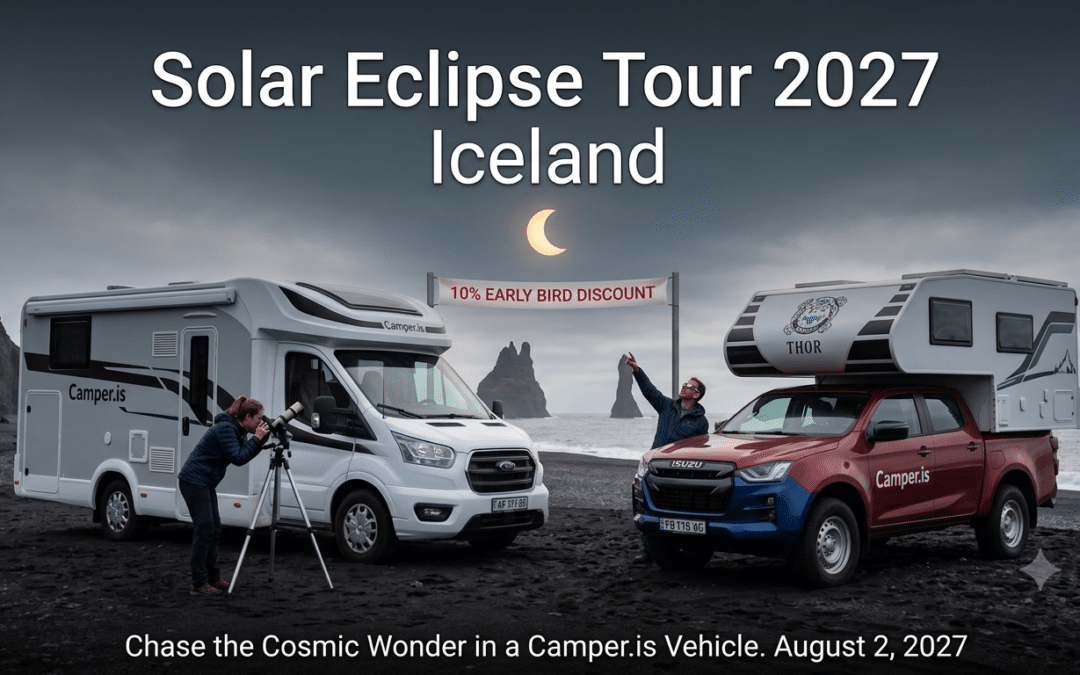
Solar Eclipse Tour 2027: Chase the Sky in a Campervan | Camper.is
Embark on the ultimate adventure with a Solar Eclipse Tour 2027 across Iceland! Witness the morning celestial dance from your motorhome or 4x4 camper, trace ancient Viking legends, and grab a limited-time 10% early bird discount.
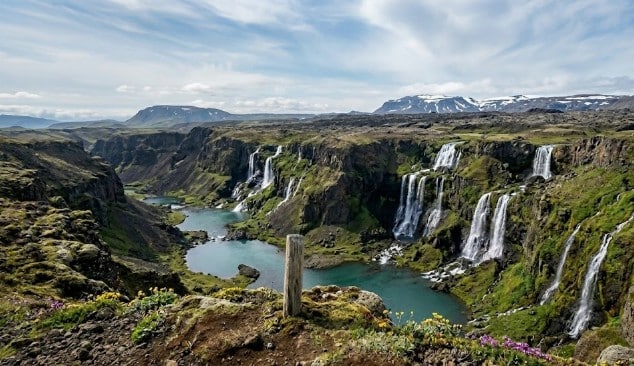
The Diamond Circle & Highland Edge
Go beyond the pavement. This 1,650 km expedition is designed for the high-clearance Thor 4x4. Tackle the deep volcanic sands of the North and reach the “Edge of the World” at the Ásbyrgi Canyon, crossing glacial rivers that stop standard campers in their tracks.
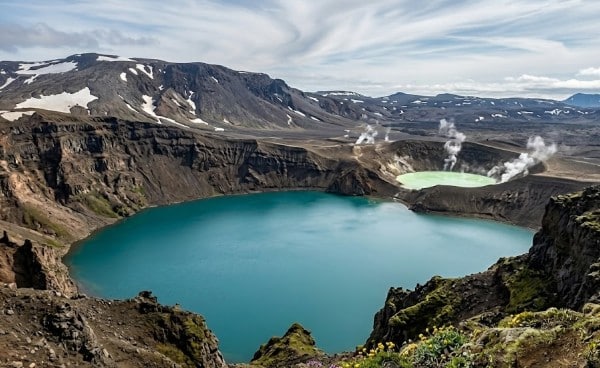
The Ultimate Askja Expedition
The ultimate “Bucket List” achievement. Reach the steaming Víti crater at Askja, deep in the uninhabited center of Iceland. This 1,800 km journey requires the luxury and power of the Tyr. It is a mission across lava deserts and through glacial rivers to reach the most remote caldera on Earth.
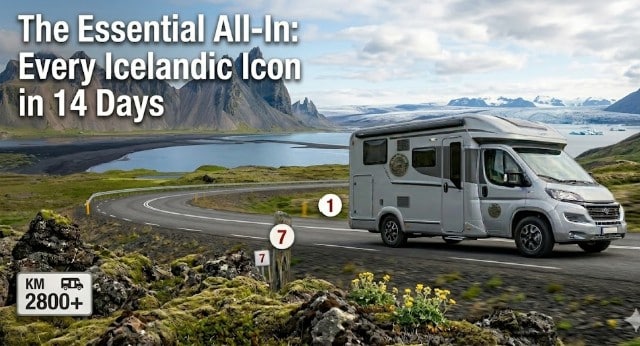
The “Essential” All-In Circle (14 Days)
If you only visit Iceland once, this is your route. Perfect for first-time explorers, this meticulously calculated 2,800 km loop combines the classic Ring Road with the magical Snæfellsnes Peninsula and the North’s hidden coastal gems. It’s the definitive “Honest Route”—optimized for ease of driving so you spend more time at the icons than behind the wheel.
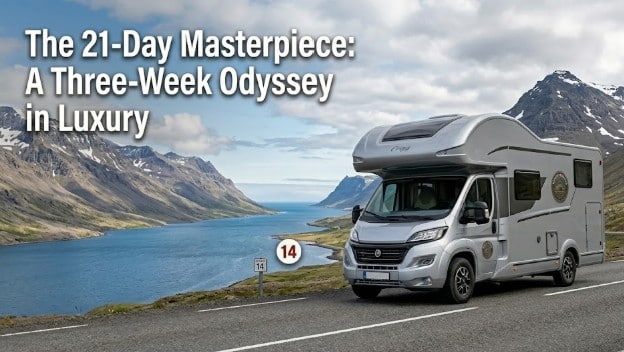
The Ultimate Grand Tour (21-Day Slow Travel)
The ultimate luxury isn’t a fast car; it’s the gift of time. This 3,500 km epic journey covers every corner of Iceland—from the thundering South to the silent Westfjords—at a relaxed pace of just 165 km per day. Designed specifically for our premium motorhomes, this is the “Honest Route” for those who want to see it all without the rush
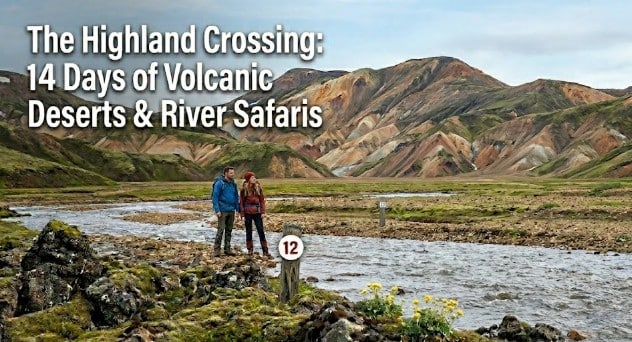
The Highland Heart
This is the ultimate test of man and machine. Leave the Ring Road behind and plunge into the uninhabited interior of Iceland. From the colorful rhyolite mountains of Landmannalaugar to the steaming calderas of Askja, this 2,400 km journey across gravel and rivers is for the 4x4 purist.
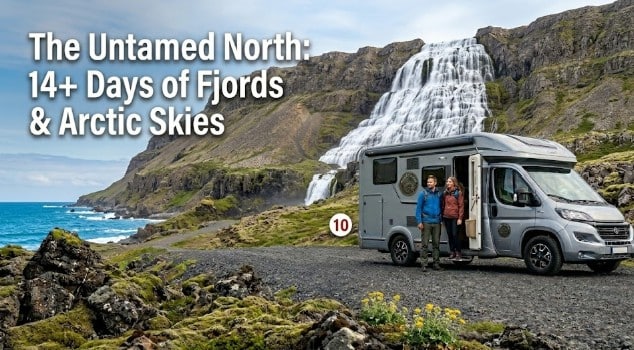
The Arctic Coast & Westfjords Expedition
For the traveler who seeks the edge of the world. This massive 2,800 km expedition takes you beyond the Ring Road into the deep Westfjords and along the Arctic Coast Way. If you want silence, soaring bird cliffs, and empty hot springs, this is your route.
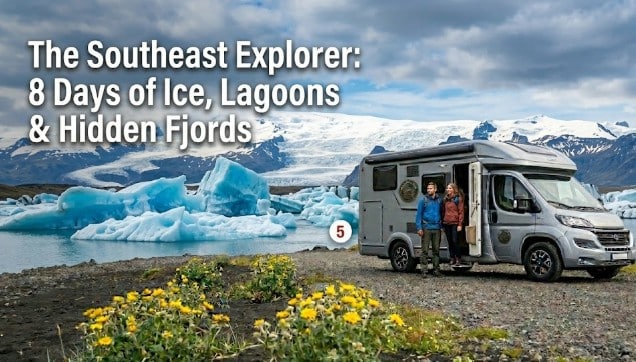
The Southeast Explorer: 8 Days of Ice, Lagoons & Hidden Fjords
Experience the raw power of the Arctic without the Ring Road rush. While the map shows a shorter distance, our curated 1,350 km return journey is the “Honest Route” to the Blue Heart of Iceland. Spend 8 days exploring Europe’s largest glacier and the sparkling Diamond Beach at a pace that lets you actually breathe.
The 7-Day Essential: South Coast & Snæfellsnes Highlights
The perfect balance of Iceland’s greatest hits. While others rush the whole island, you’ll spend 7 days truly experiencing the thundering South and the dramatic “Miniature Iceland” of the West. This 1,300 km route is designed for those who want the icons without the 2,000 km marathon.
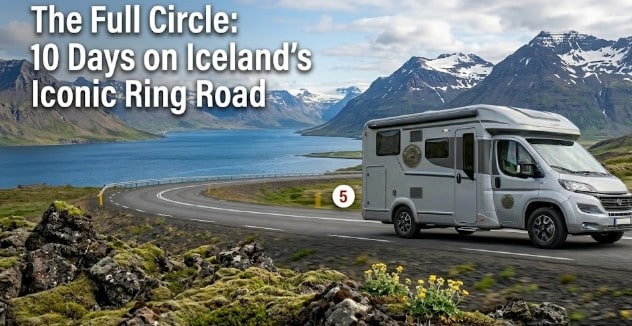
The Full Circle: 10 Days on Iceland’s Iconic Ring Road
The ultimate Icelandic pilgrimage. While the official Route 1 is 1,322 km, our expertly curated 10-day loop covers approximately 2,000 km of glaciers, fjords, and volcanic deserts. This is the journey that defines “Adventure”—perfectly paced to ensure you spend more time at the waterfalls than behind the wheel.
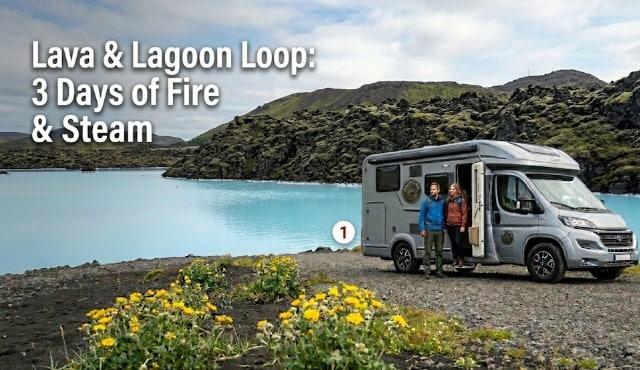
Reykjanes & The Volcanic South: 3 Days of Fire and Steam
Perfect for late arrivals or early departures. Explore Iceland’s youngest landscapes, steaming mud pools, and the world-famous Blue Lagoon—all just minutes from our base.
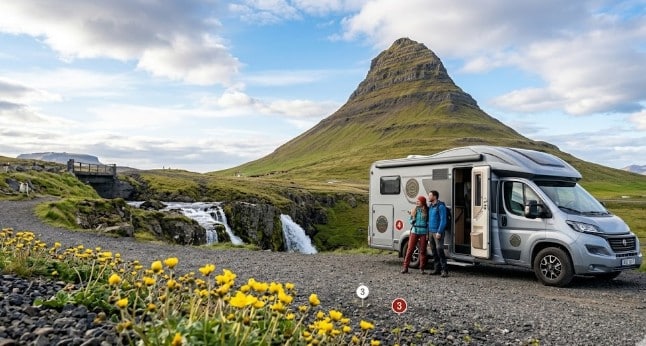
Snæfellsnes Peninsula: 4 Days in “Miniature Iceland”
Discover volcanic craters, black churches, and the most photographed mountain in Iceland on a compact route that brings the best of the island into one loop.
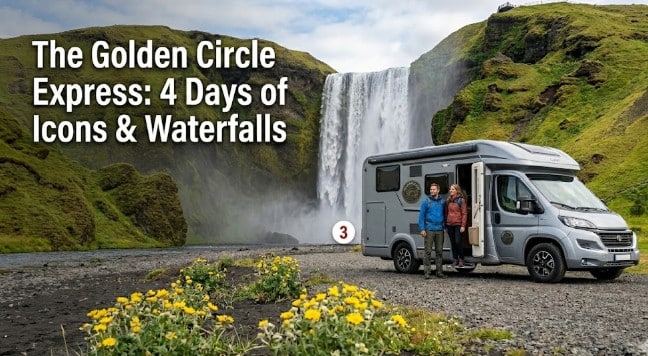
The Golden Circle Express: 4 Days of Icons & Waterfalls
The perfect “tasting menu” for first-timers. See the erupting Geysir, the tectonic rift at Þingvellir, and the crashing waves of the Black Sand Beach.
🗺️ Interactive Route Maps & Local Knowledge Hub
Cross-reference your chosen itinerary with our live geolocation master maps and deep-dive technical guides straight from the Camper Iceland Vegvísir deployment database.
🗺️ Advanced Custom Camper Map
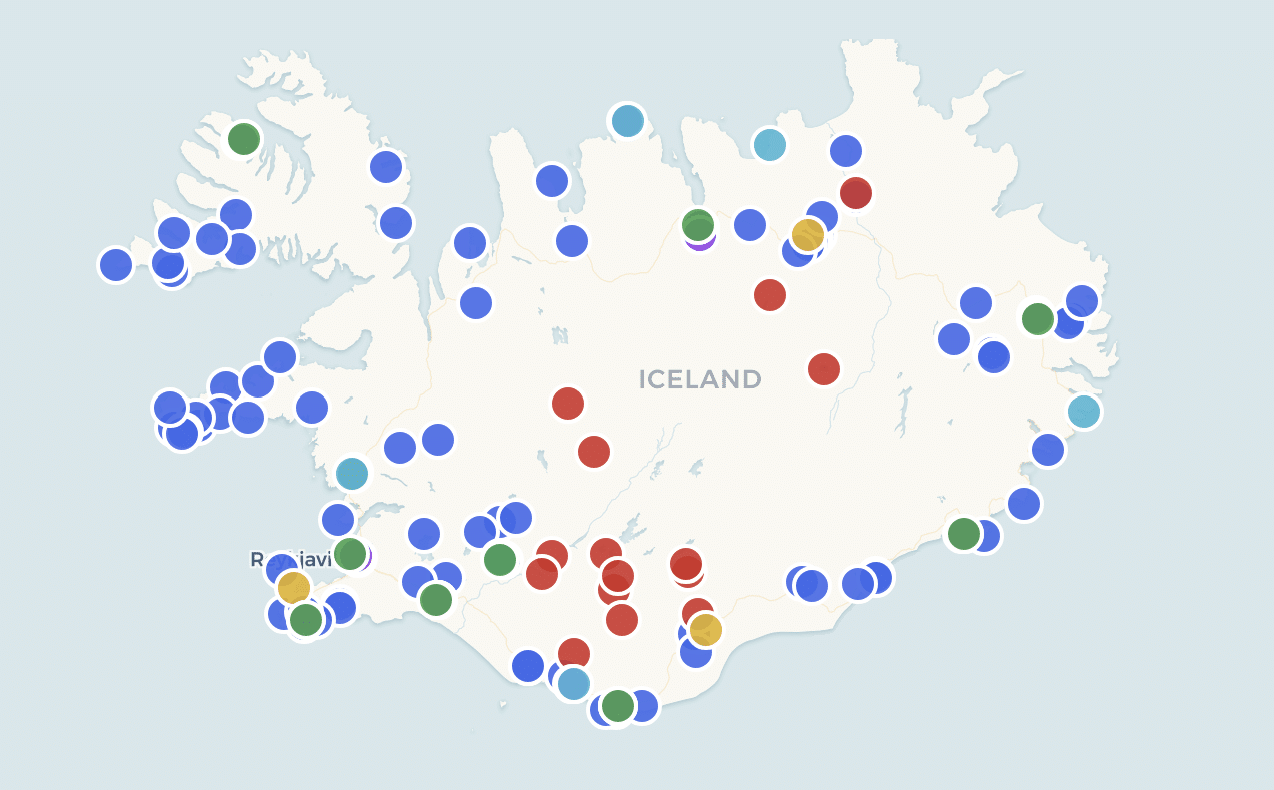
✨ Unlock Next-Gen Features:
- 📖 Deep-Dive Site Libraries: Click directly on any pin to read detailed local history, facility guides, and hidden secrets.
- 🚐 Camper-Tailored Filters: Dynamically isolate campgrounds, clearance-restricted routes, and waste dumping hubs.
- ⚡ Live Spatial Routing: Seamlessly match your vehicle dimensions with localized Iceland trail restrictions.
📚 The Vegvísir Travel Wayfinder
Access our high-authority technical articles covering fleet safety, legal packing compliance, and route secrets.
🚐 Vehicle Selection Matrix
Unsure about chassis sizing, clearance levels, or bed dimensions? Learn how to choose the right motorhome or 4x4 camper layout for your travel profile.
Read Selection Guide →💎 Hidden Treasures & Secret Routes
Discover off-the-beaten-path waterfalls, quiet geothermal pools, and scenic routes beyond the crowded Ring Road stops.
Explore Hidden Treasures →🧭 Master Wayfinder Database
Explore our complete Vegvísir library containing real-time updates on weather handling patterns, safety protocols, and campsite reviews.
Explore Full Library →How to Choose the Right Iceland Itinerary for Your Adventure
Planning an Icelandic road trip involves more than just picking spots on a map. Our changing seasons, strict environmental laws, and rugged terrain dictate how much ground you can realistically cover in a single day. To ensure a safe, stress-free journey, match your vacation window with our expert route classifications below.
🚐 Motorhome vs. 4x4 Camper
If you stick to the classic Route 1 Ring Road, our premium family motorhomes offer comfort, built-in kitchens, and luxury heating. However, if your dream itinerary crosses the unpaved interior, a high-ground-clearance 4x4 truck camper is legally required.
⏱️ The "Honest Distance" Rule
Icelandic kilometers take longer to drive than European or American highways. Narrow bridges, gravel transitions, and sudden winds mean you should plan for an average speed of 60–70 km/h. Don't over-schedule your days; leave room for spontaneous hot pot stops.
Essential Regulations for Driving a Campervan in Iceland
⛺ Strict Campsite Laws
Wild camping is completely illegal in Iceland. By law, you must park your campervan or motorhome at a designated registered campsite overnight. Luckily, Iceland boasts over 170 beautifully located campsites, most of which do not require advanced reservations in summer.
🏔️ F-Roads & River Crossings
Mountain tracks (marked with an "F" on maps) open exclusively during the summer months (typically mid-June). Driving on F-roads in a 2WD vehicle results in massive fines and voided insurance coverage. Always check river depths before fording.
🛑 Off-Road Driving Prohibited
Driving off designated roads or marked tracks is strictly prohibited and carries severe penalties up to $4,000 USD. Our volcanic soil and arctic moss are incredibly fragile and can take decades to recover from tire tracks.
Mastering the Road: A Complete Guide to Driving in Iceland
Planning your dream overland route requires understanding local driving regulations, changing seasonal tracks, and realistic transit speeds. Read our expert planning advice below before picking up your vehicle keys.
📍 Looking for the Best Iceland Campervan Itineraries?
Welcome to our master road trip planner portal. Every single route displayed across our database has been meticulously field-tested to provide realistic driving timelines, honest mileage calculations, and unforgettable wilderness sights.
Planning a road trip with our Iceland campervan itineraries is the most reliable way to experience our changing seasons and rugged volcanic terrain safely.
🏔️ Regional Travel Windows & F-Road Regulations
When studying various Iceland campervan itineraries, it is vital to note that the interior highlands—accessible via rugged gravel paths prefixed with an F—remain completely closed due to snow and muddy conditions until mid-June.
Traversing these highland sectors safely and legally requires a robust four-wheel-drive camper layout with high ground clearance. If your chosen travel route involves exploring places like Askja or Landmannalaugar, prioritizing a four-wheel-drive fleet selection is an absolute requirement for insurance compliance and physical road safety.
🚐 Matching Vehicle Class Layouts with Your Route Blueprint
The ultimate step in deploying these Iceland campervan itineraries involves aligning your group profile with the proper vehicle tier. Family travelers seeking luxury amenities and interior standing room will find their match in our fully equipped motorhomes, optimized for seamless paved asphalt driving.
For those aiming to tackle unpaved valley tracks or face unpredictable winter road conditions, our custom 4x4 Luxury campers deliver the traction, safety baselines, and peace of mind needed to confidently navigate the wildest corners of our island country.
🧭 Strategic Planning Using Iceland Campervan Itineraries
Executing a successful self-drive holiday requires syncing your vacation window with regional weather patterns and seasonal vehicle laws. Our collection of premium Iceland campervan itineraries offers clear paths forward for every style of traveler, whether you are embarking on a quick five-day coastal cruise or a comprehensive three-week ring road expedition around the entire island outline.
⛺ Campsite Compliance Laws Along Your Driving Route
A crucial element embedded within all high-performing Iceland campervan itineraries is absolute compliance with local overnight parking regulations. To shield our fragile sub-arctic moss fields and volcanic soil from permanent environmental degradation, local laws state that wild camping is strictly forbidden.
⏱️ Calculating True Speed Limits vs. Daily Mileage Budgets
Many travelers looking at Iceland campervan itineraries underestimate the time required to navigate rural infrastructure. While our paved national highways maintain a top legal speed limit of 90 km/h, transitions into single-lane bridges, blind gravel crests, and intense coastal side-winds mean your true average velocity will likely sit closer to 60 or 70 km/h.
To keep driver fatigue at bay, limit your planned itinerary to a realistic target of 150 to 200 kilometers per day, leaving plenty of daylight hours available for hiking, photography, and relaxing in natural hot springs.
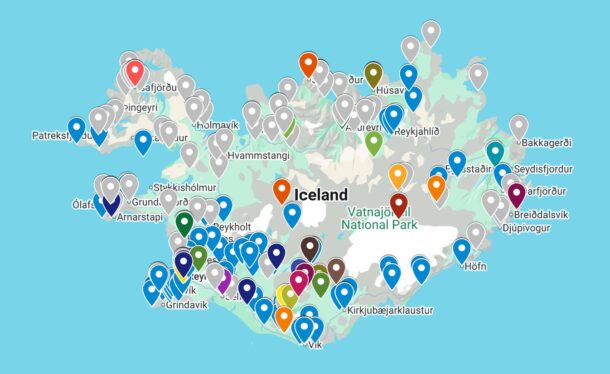
Get the Private Iceland Camper Map!
Don't miss a thing! We’ve pinned 60+ hidden gems, hot springs, and essential camper dump stations. Enter your email and we'll send the interactive Google Maps link directly to your phone.