Planning a road trip to Iceland? The campground system here is amazing, but it works a little differently than what you might be used to in the rest of Europe!
In today’s video, we are giving you a full walkthrough of how campgrounds work in Iceland, based on our stay here at the awesome campsite in Selfoss. The great news is that most campsites across the country are very similar, so once you understand one, you’re set for the whole Ring Road!
🎥 What We Cover In This Dispatch:
- 🚐The Ultimate Freedom: Why you don't need to stop, check-in, or pre-book where to park. Just roll in, find a spot you love, and settle in!
- 💳How to Pay: The unique way payment works here—whether you pay at reception for total peace of mind or wait for the warden to come knock on your van door in the evening.
- 🚿The Facilities: A quick tour of the essentials, including the dumping stations, fresh water, hot showers, and the dish-washing areas.
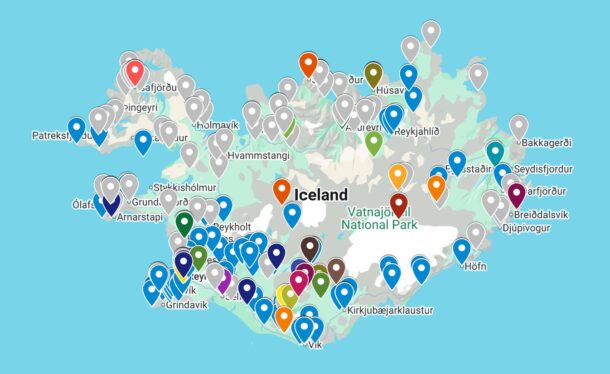
🗺️ Track Local Campsites in Real Time
Ready to map out your nightly stops? Cross-reference your route with our live platform database.
Open Interactive Campground Map →📊 Essential Iceland Camping Logistics
To help you plan a completely stress-free expedition, our local deployment team has aggregated the verified costs, operational rules, and seasonal dates you need to track.
💰 Estimated Costs
On average, standard campgrounds range between 2,000 to 3,500 ISK per person, per night.
Typical Extras:
• Electricity hookup: 1,000–1,500 ISK
• Laundry (washer/dryer): 500–700 ISK
• Showers are usually included, but some remote spots charge a small coin fee.
📅 Operational Seasons
The bulk of Iceland's 240+ campgrounds open their gates for the primary season from mid-May through September 15th.
Outside of these dates, many spots lock up entirely. If you plan to travel late into the shoulder seasons, checking availability beforehand is highly recommended.
❄️ Winter Campers
Traveling during the snowy season? Around 25 premium campsites stay open year-round across Iceland (such as Reykjavik Laugardalur, Selfoss, Hveragerði, and Skaftafell).
Note: Winter facilities are more basic. Due to freezing conditions, outdoor water taps are turned off, meaning plumbing runs strictly from inside indoor service buildings.
If you want a stress-free vanlife experience in Iceland, this breakdown will save you a ton of confusion! If this guide helped you out, hit that LIKE button, SUBSCRIBE to our channel for more practical Iceland travel tips, and we'll see you on the road! ✨